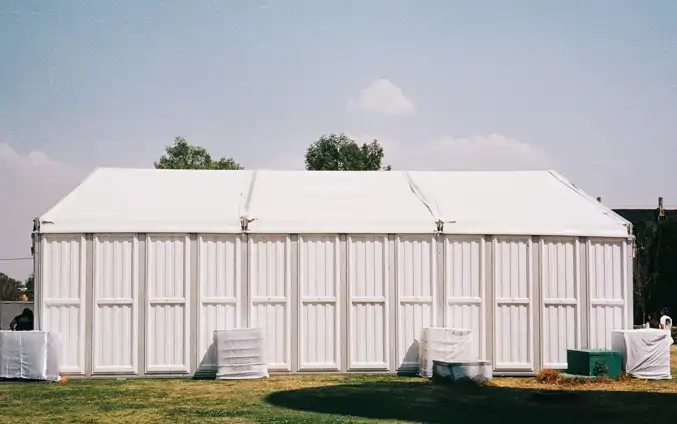
Cuyahoga Falls is about 5 miles northwest of our Tallmadge shop, a 10- to 15-minute drive. The city offers two very different settings for a pole building: older neighborhoods near downtown and the river with compact lots, and the former Northampton Township area to the northwest, where rural lots run to eight acres or more.

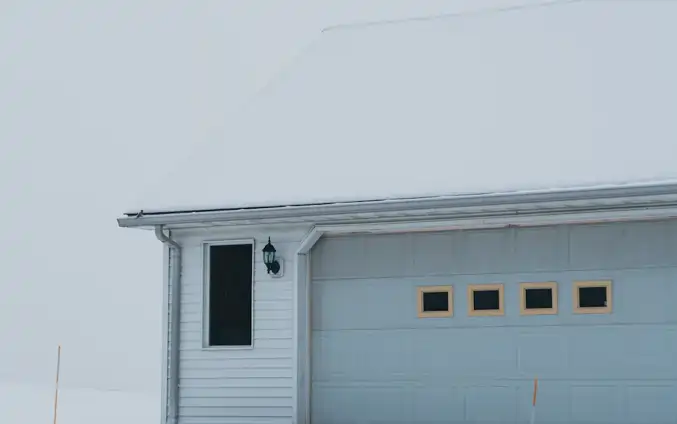
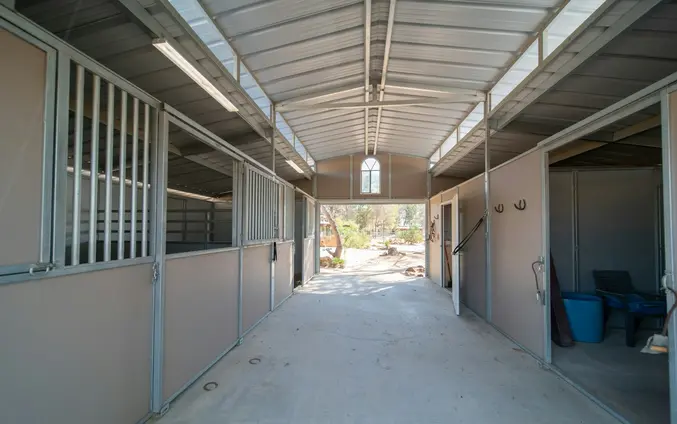
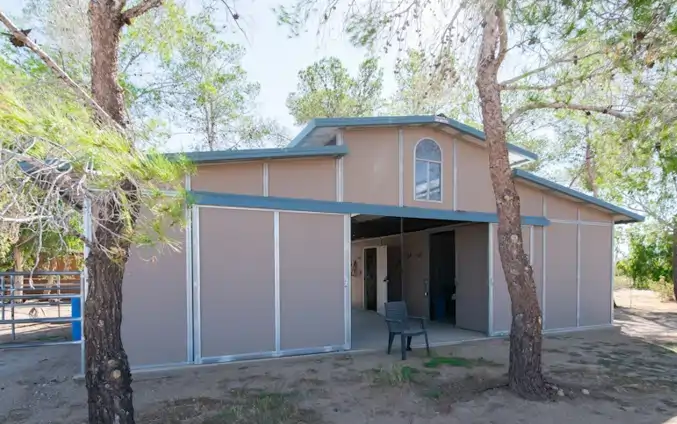
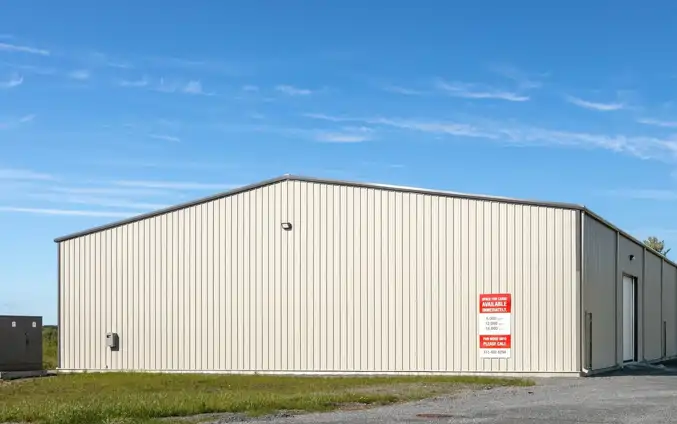
On typical residential lots, accessory buildings are capped by lot type, for example 750 square feet on a standard 6,000-square-foot lot, and at 15 feet tall. In most residential districts garages must also use wood, composite or vinyl siding similar to the house, so a steel-sided pole barn usually is not allowed. Rural lots are another matter: the city allows 1,200 square feet of accessory buildings per acre, 35-foot heights and, in some districts, farming and horses.

The city's Planning and Zoning Division issues the zoning certificate, and the Summit County Department of Building Standards, which serves Cuyahoga Falls under contract, issues building permits and performs inspections. We prepare both submissions.
Cuyahoga Falls weather and your building

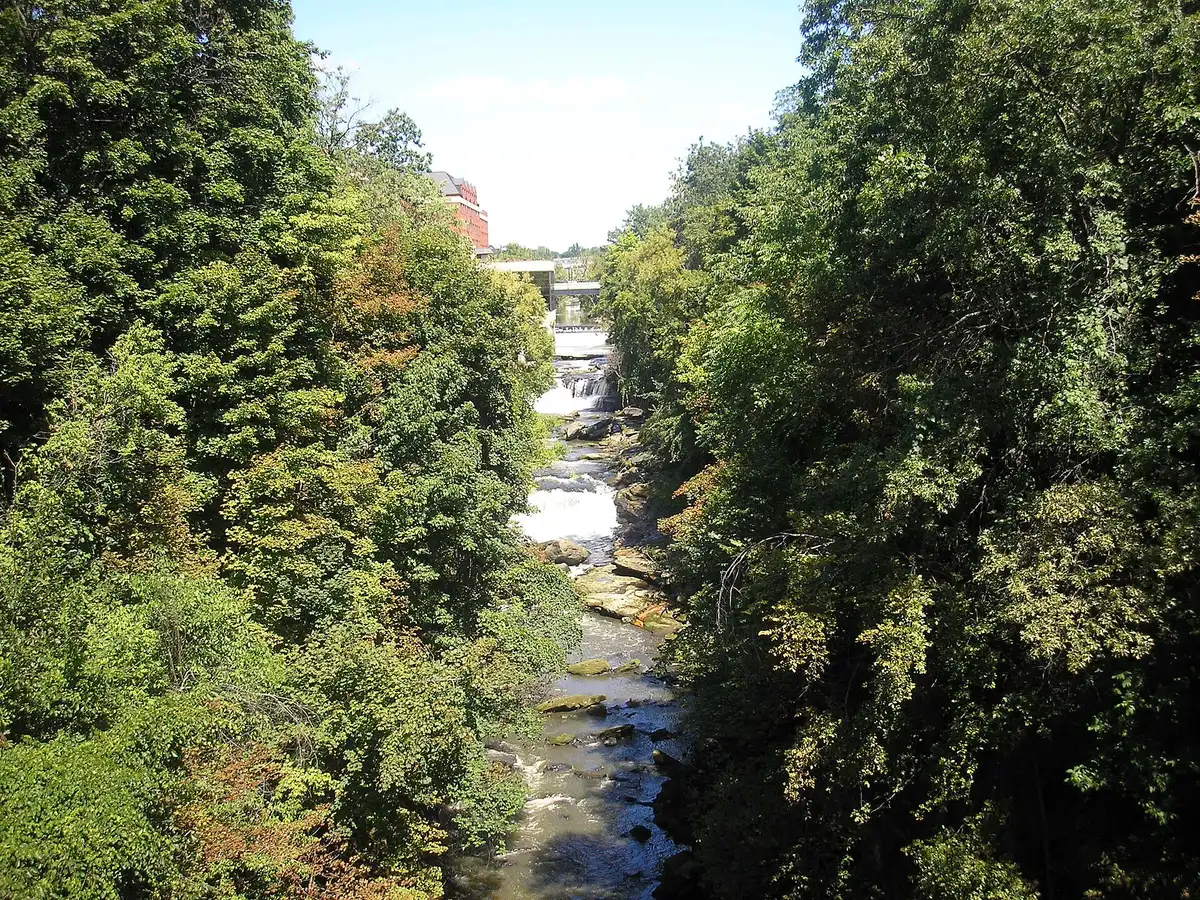
Cuyahoga Falls takes its name from the river that cuts through it, and the gorge and valley walls give the city more slope than most of Summit County. Its northwest side borders Cuyahoga Valley National Park, and the city's own development code describes the former Northampton Township area there as having steep or rough topography. Regional forecasters count the northern half of the county as part of the secondary snowbelt, so a north wind can still carry Lake Erie snow bands this far inland. On a sloped lot that combination shapes the building: posts of different lengths, drainage on the uphill side, and trusses and footings designed to the snow load and frost depth that the Summit County Department of Building Standards applies to the city.

Permits and zoning in Cuyahoga Falls

Cuyahoga Falls does not have its own building department. The city contracts with the Summit County Department of Building Standards, which handles building applications, permits and inspections. Before the county issues a permit, the city's Community Development Department, through its Planning and Zoning Division at 2310 Second Street, issues a zoning certificate that checks use, size, location and finish materials. Every accessory structure needs the city's approval, and the county becomes involved once a structure exceeds 200 square feet. The General Development Code is revised from time to time, including an October 2025 update to the residential lot and accessory building table, so we check the current text for every project.

Our services in Cuyahoga Falls

Cuyahoga River gorge and falls at High Bridge Glens in Cuyahoga Falls
Photo: Ohio Redevelopment Projects - ODSA via Wikimedia Commons, CC BY 2.0

About Cuyahoga Falls, OH

Cuyahoga Falls is a Summit County city of about 51,000 people that grew up around water power on the Cuyahoga River; the village was first laid out in 1826. In 1986 it merged with Northampton Township, the first city-township merger in Ohio, adding rural land along Cuyahoga Valley National Park to the northwest. Blossom Music Center, the Cleveland Orchestra's summer home since 1968, sits on national park land within the city. Akron borders Cuyahoga Falls to the south.

Nearby areas we also serve

  • Akron, OH
  • Stow, OH
  • Silver Lake, OH
  • Munroe Falls, OH

Get a free quote on your building

Tell us the size, the site, and what you plan to keep in it. We'll follow up with questions and a detailed quote.