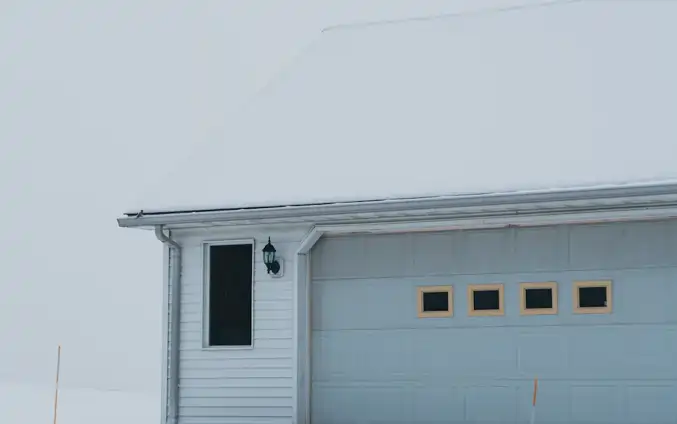
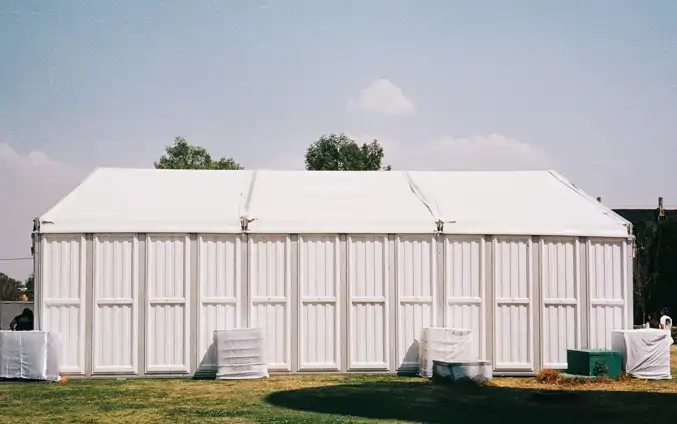
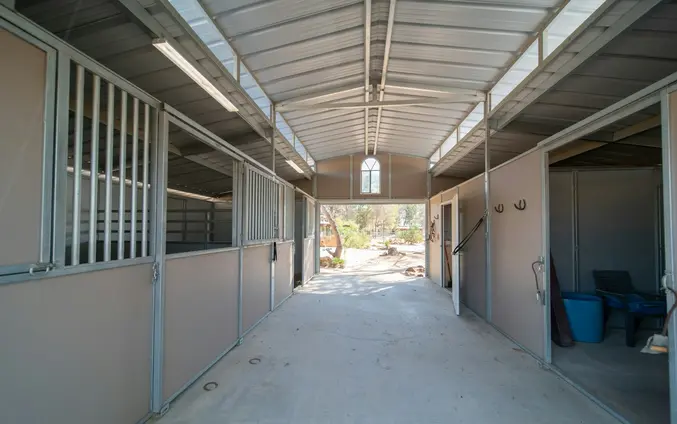
We work across the Cleveland area, about 40 miles north of our Tallmadge shop. Being realistic about where pole buildings fit matters here. On typical residential lots in neighborhoods like Ohio City and Tremont, detached accessory buildings are capped at 15 feet tall and garages are limited in size, so a large pole barn usually isn't allowed.

Post-frame construction makes more sense on commercial and industrial sites in the city and on larger lots in the outer suburbs and neighboring counties: storage buildings, contractor shops, equipment buildings, and roomy garages. We check the zoning for your parcel before we design anything.

Inside city limits, building permits come from the Department of Building and Housing. Suburbs such as Lakewood and Parma are separate cities with their own offices, so we confirm which department covers your address and prepare the drawings it requires.
Cleveland weather and your building

The City of Cleveland's published design criteria for one- to three-family buildings list a 30 psf ground snow load, a 42-inch minimum footing depth below finished grade, a severe weathering rating and a 5 degree F winter design temperature. They also require ice-shield underlayment and put any site within 600 feet of the Lake Erie shoreline into wind Exposure D, the most severe category. Snow is uneven across the county: the eastern half of Cuyahoga is in the primary lake-effect snowbelt, where cold west, northwest and north winds crossing open lake water drop heavy bands. That criteria sheet dates from 2008, so we confirm current values with the city and have trusses engineered for the actual site.

Permits and zoning in Cleveland

Inside city limits, building permits come from the Department of Building and Housing, Division of Construction Permitting. Since April 13, 2026 the city accepts only digital plans and applications, and a project can be routed to Zoning, Planning, Fire Safety, Landmarks, Cleveland Water, the regional sewer district and other reviewers depending on its size and location. Zoning relief goes to the Board of Zoning Appeals. Suburbs such as Lakewood are separate cities with their own offices, so a building there is not permitted by Cleveland. For any address, the Ohio Board of Building Standards' online jurisdiction map shows which department enforces the building code, and we check it before we start drawing.

Our services in Cleveland

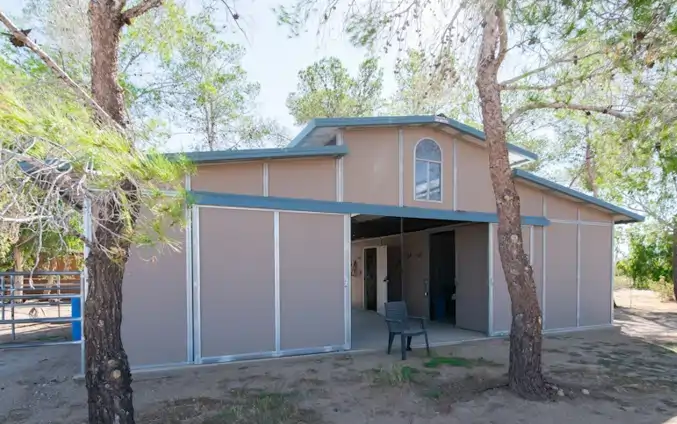
Agricultural Pole Barns in Cleveland

Agricultural pole barns near Cleveland, OH: horse barns, nursery buildings and hobby-farm storage, with straight talk on city lots and Ohio ag exemptions.

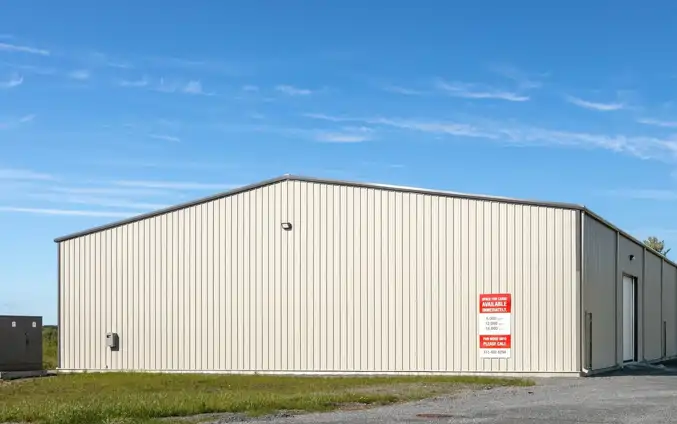
Commercial Pole Buildings in Cleveland

Commercial pole buildings in Cleveland, OH: shops, warehouses and repair garages on industrial land, with help through city zoning and digital plan review.

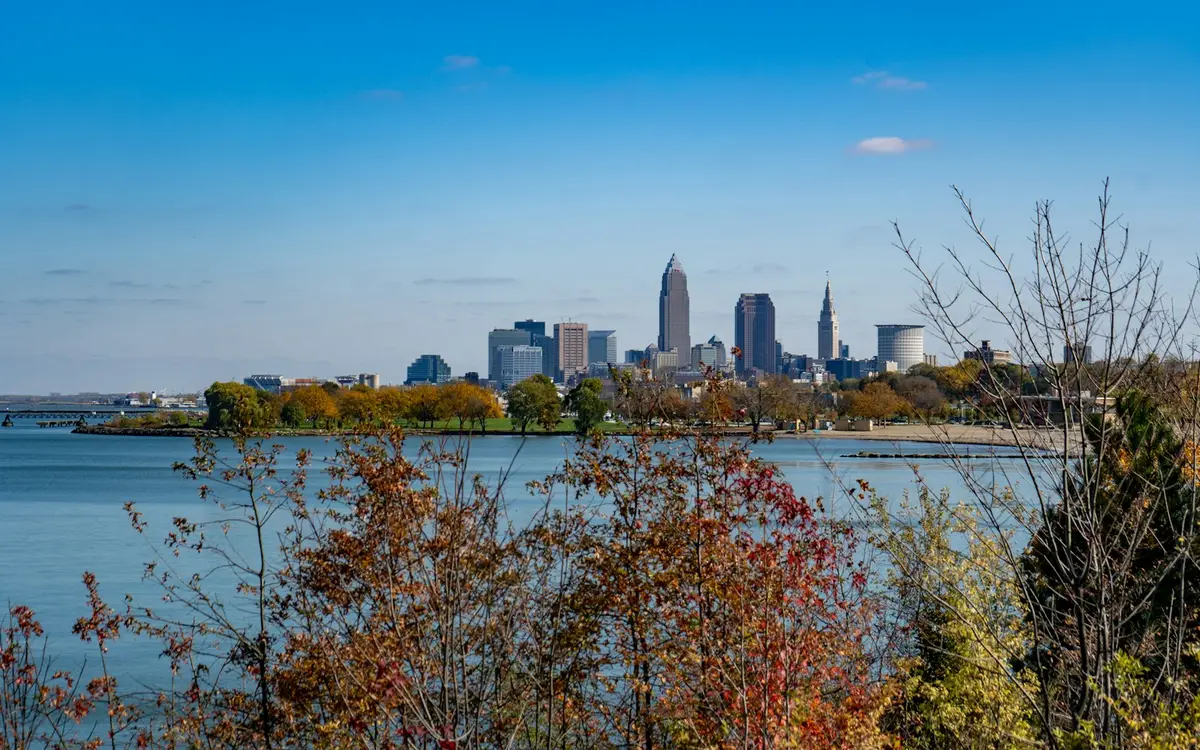
Downtown Cleveland skyline seen across Lake Erie from Edgewater Park
Photo: DJ Johnson via Unsplash, Unsplash License

About Cleveland, OH

Cleveland is the county seat of Cuyahoga County, a city of about 372,600 at the mouth of the Cuyahoga River on Lake Erie. Surveyors for the Connecticut Land Company, led by Moses Cleaveland, reached the river mouth on July 22, 1796, and laid out a town named for him; the spelling was later shortened. The Ohio and Erie Canal, completed in 1832, ended here, and in 1870 John D. Rockefeller and partners organized Standard Oil in the city. The Cleveland Clinic, founded in 1921, is headquartered in the city.

Nearby areas we also serve

  • Lakewood, OH
  • Parma, OH
  • Euclid, OH
  • Garfield Heights, OH

Get a free quote on your building

Tell us the size, the site, and what you plan to keep in it. We'll follow up with questions and a detailed quote.